Strengthening Newborn Care Through Specialist Training in Uganda
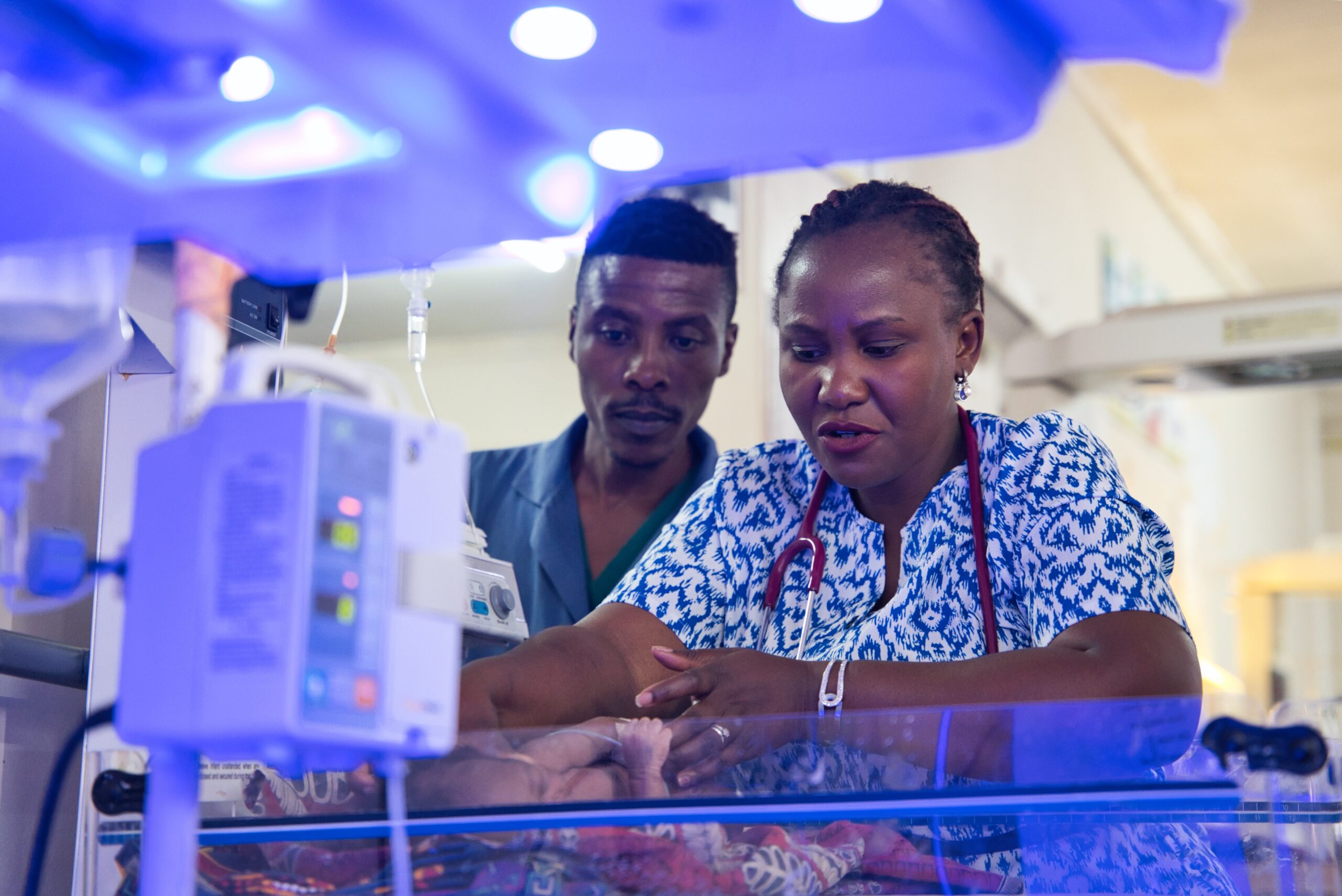
In January 2026, Moroto Regional Referral Hospital in Eastern Uganda welcomed baby Walem Serendipity, a tiny fighter born prematurely at six months, weighing just 700 grams (1.5 lbs).
As doctors and nurses worked to help her breathe, her mother feared the worst.

“I had little faith that my baby would survive,” she recalled. “And if she did, I feared she would always be sick and that we would be constantly in and out of hospital.”
Born prematurely and facing serious complications, Serendipity was admitted to the hospital’s neonatal intensive care unit (NICU), where she would spend the next three months.
After 95 days of specialized care, she weighed 1,600 grams (3.5 lbs) and was strong enough to go home to the relief of her dedicated team of health workers and her family.
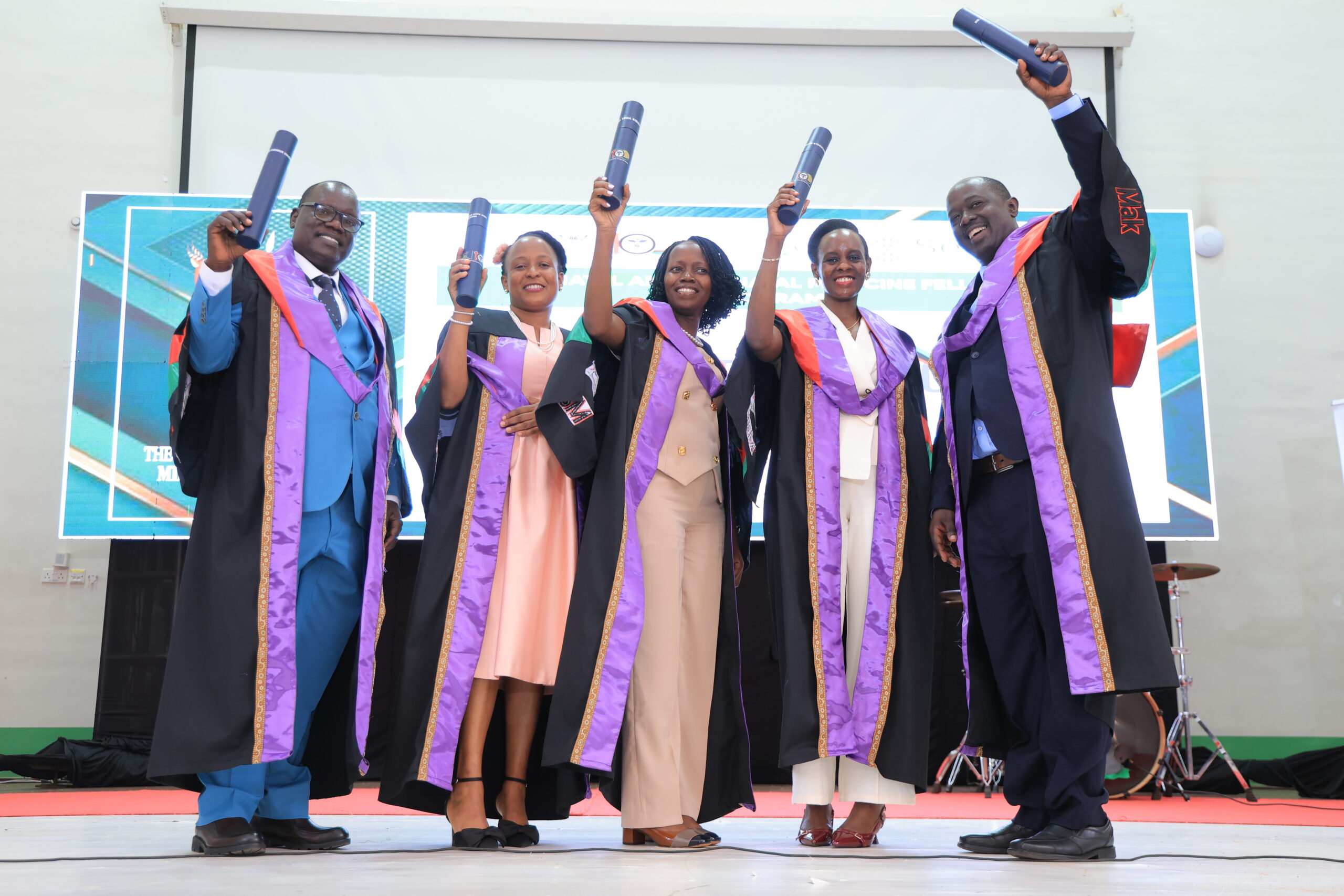
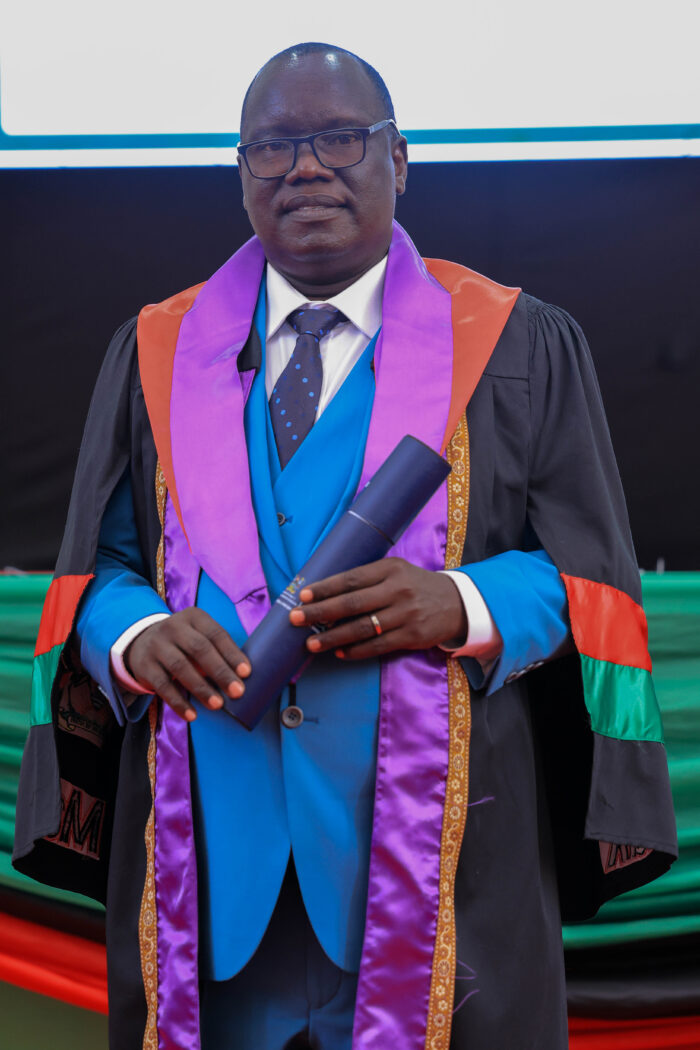
Dr. Ediamu Tom led the team who cared for Serendipity and is one of five neonatologists graduating on June 17 2026, from Uganda’s neonatology fellowship program at Makerere University. Supported by Seed Global Health (Seed) and partners, the fellowship is building a new generation of specialists trained to care for the country’s smallest and most vulnerable patients.
Uganda has made significant progress in reducing child mortality over the years, yet newborn deaths remain one of the country’s most persistent health challenges. Newborn deaths account for around 42% of all under-five deaths in Uganda, an estimated 32,000 lives each year (Ministry of Health Uganda).
According to Dr. Ediamu, the leading causes of newborn deaths include birth asphyxia, prematurity complications, and sepsis. Many of these deaths are preventable when timely access to quality, specialized care is available.
“Working in Moroto has been one of the most challenging and rewarding experiences of my medical career of 30 years,” he said.
The hospital serves communities across the Karamoja sub-region, where many families travel long distances to access care. Some arrive after hours of walking or travel by motorcycle. Others are referred late, making it more difficult to manage complications.
“It is not uncommon to receive critically ill newborns who have been transported for hours without adequate medical support,” Dr. Ediamu said.
Despite these challenges, he says some of the most rewarding moments come from watching babies who were once critically ill recover and thrive.
“Seeing a premature baby who struggled to breathe leave the hospital in the arms of a smiling mother or watching a family return months later with a healthy child, is a powerful reminder of why this work matters.”
Uganda has been facing a severe shortage of specialists trained to care for sick and premature newborns. With the graduation of the inaugural cohort of five homegrown neonatologists, the country now has 10 neonatologists (up from just five previously) serving a population in which an estimated 250,000 newborns require specialized care each year.
Recognizing the need to strengthen newborn care, the Ministry of Health and Seed partnered with Makerere University in 2024 to establish and accredit Uganda’s neonatology fellowship through the Department of Paediatrics and Child Health.
The fellowship was designed not only to train specialists, but also to strengthen health systems by building local expertise, that remains in the country.
Dr. Victor Musiime, head of the department of Paediatrics and Child Health at Makerere University, said the fellowship is helping change the future of newborn care in Uganda.
“This is a locally led program designed around Uganda’s realities,” he says. “We are training specialists who provide care, mentor other health workers, strengthen hospitals, and help improve outcomes for newborns across the country.”
Dr. Ediamu has so far trained 14 colleagues and mentored over 30 frontline health workers from facilities across the region who provide newborn care. He has helped strengthen clinical practices, improve documentation, support the implementation of standard operating procedures, and built the confidence of health workers managing high-risk newborns.
Reflecting on the fellowship, he says the training enhanced both his clinical and leadership skills.
“Beyond learning advanced newborn care, the fellowship strengthened my ability to mentor other health workers, improve systems of care, and contribute to better outcomes for newborns,” he said.
This multiplier effect is central to the fellowship’s design and Seed’s model of work. Each specialist trained will go on to train and mentor dozens of health workers and improve care for thousands of newborns throughout their career.
According to Dr. Andrew Twinamatsiko, Seed program manager, the neonatology fellowship prioritizes health workers from public health facilities and national hospitals with neonatal unitsthat lack specialist expertise.
“We wanted to build specialist capacity where it is needed most,” he says.

The fellows are based in facilities including Moroto, Masaka, Mulago, and Kawempe, helping expand access to specialized newborn services across the country. Their presence is reducing the burden on national referral hospitals while bringing quality care closer to families.
The specialists are also supporting Seed’s training and mentorship efforts across Uganda. In May 2026 alone, 90 health workers from hospitals across Uganda completed comprehensive neonatal care training.
At Seed, we recognize the importance of growing and investing in locally led training programs. We believe this builds long-term expertise within national health systems. These programs equip health workers with the skills needed to serve their communities, train future generations, and strengthen care for years to come.
For babies born with complications, the difference between life and death can be a specialist with the training and skills to save their life.
With five new neonatologists graduating this year, Uganda is taking a step toward ensuring that more newborns have a chance like Serendipity did.