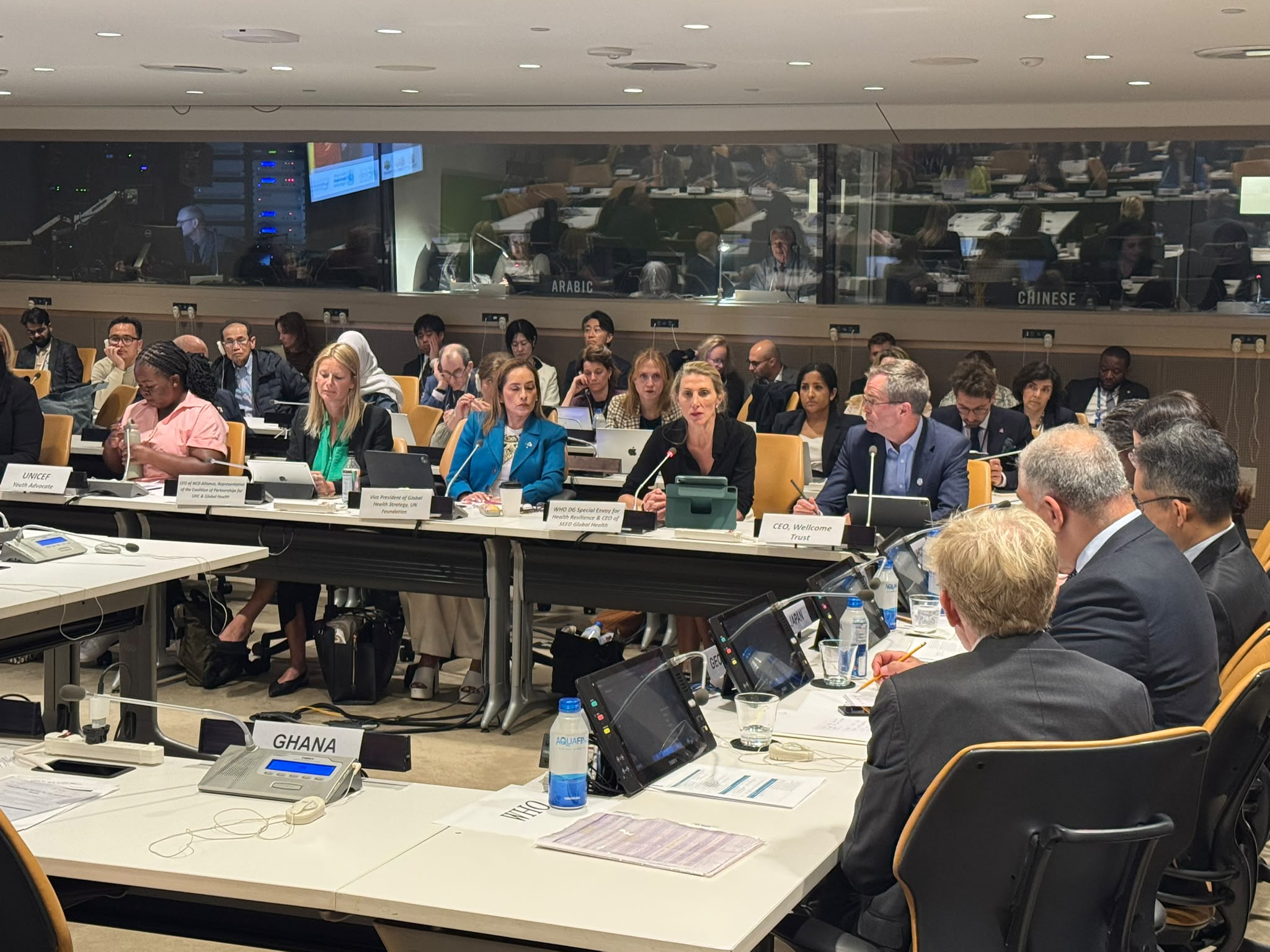
UNGA81 Roundup: Making health resilience the test of this moment
A year of change put one question at the center of global health discussion: can health systems deliver care every day and hold when a crisis hits?
Global health at UNGA81
The 81st UN General Assembly came amidst a pivotal moment for global health. External financing continues to decline, governments are demanding greater ownership of their health systems, and the world is preparing for new leadership at both the UN and WHO.
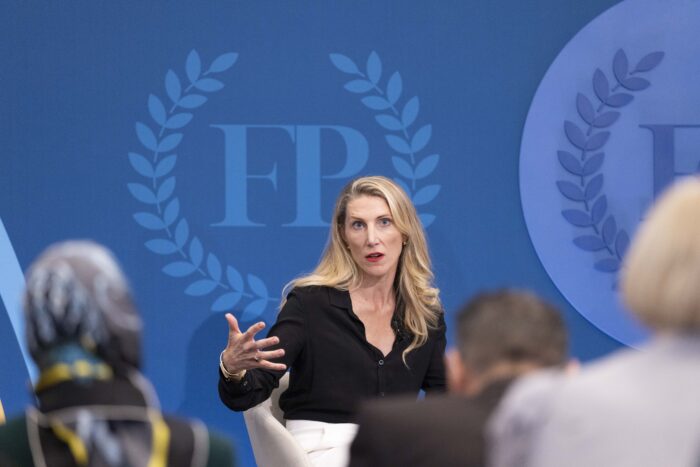
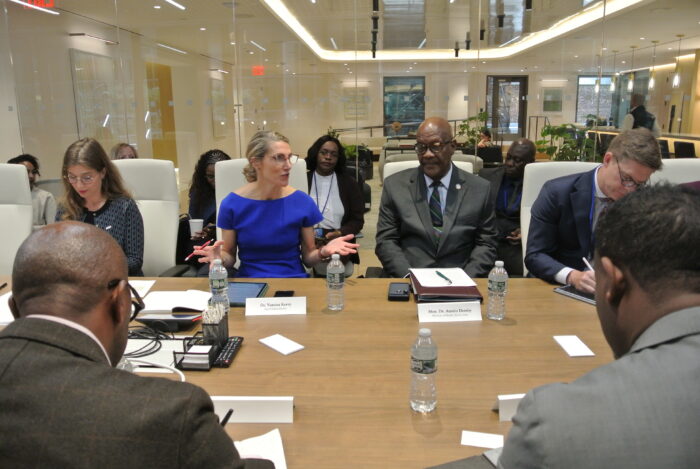
Throughout the week, Seed convened leaders, spoke at high-level events, and marked another milestone as Dr. Vanessa Kerry formally began her role as the WHO Director-General’s Special Envoy for Health Resilience.
What are the key takeaways from UNGA81 to inform the way forward on global health?
1. Health resilience moved to the center of global health conversations.
Throughout the week, Seed argued health resilience must mean health systems that deliver high-quality care every day and keep delivering when crises hit. The shift towards sustainable, country-led financing of health systems is critical to achieving resilience and to meeting the challenges of climate change, pandemics, and funding cuts.
2. Global health reform must focus on three shifts: power, financing, and accountability.
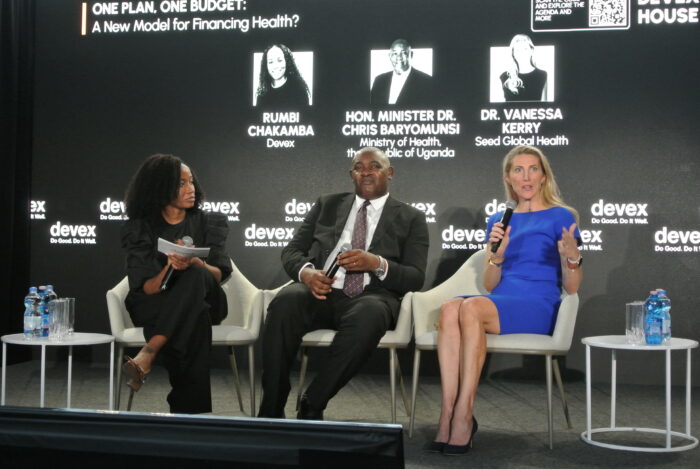
The reform debate kept returning to one gap: broad consensus on country ownership, with less agreement on how to make this real. Dr. Kerry repeatedly called for three shifts, pressing funders to: 1) back country-led priorities, 2) provide predictable and flexible funding governments can direct, and 3) be accountable for success through national results. As Uganda’s Minister of Health, Dr. Chris Baryomunsi, speaking alongside Dr. Kerry at Devex, put it, “If you bring support, then you align with our own interests.”
3. Health resilience emerged as a central pathway to universal health coverage (UHC).
Speaking inside the UN, Dr. Kerry argued that countries achieve UHC by strengthening resilient health systems because the foundations for both are the same. Yet the world remains far off track, with an estimated 4.6 billion people still lacking access to essential health services. Over the next year, Seed will continue advancing this argument in the lead up to the 2027 High-Level Meeting on UHC.
4. Pandemic preparedness lost political momentum despite broad agreement on the challenge.
At the 2nd UN General Assembly High-Level Meeting on Pandemic Prevention, Preparedness, and Response, Member States reaffirmed the need for action but did not adopt the political declaration by consensus, leaving it to move to the General Assembly for consideration. With gaps in financing, surveillance, health system capacity, and equitable access still unresolved, the priority now is investing in the health systems needed to prevent, detect, and respond to the next pandemic.
5. AI should strengthen health workers, not replace them.
Uncertainty about AI dominated health conversations throughout the week. While AI has enormous potential to transform health care, it is a tool in the hands of skilled health workers, never a replacement for them. The coming surge in AI philanthropy raises hard questions too: whether NGOs can absorb grants on this scale, and whether funding will tilt toward AI projects at the expense of the health workers and systems that make those technologies effective. It is incumbent on all of us to engage with this debate.
What’s next for global health?
There is real momentum behind health resilience, and a rare window to act on it.
Global health reform and the road to the 2027 High-Level Meeting on UHC give governments and funders a chance to change how the world finances health. Our partner governments are already leading the way. With countries setting the direction and partners aligning behind them, we can build health systems that hold, both for the patients who need care today and for the crises still to come.
Sign up for our newsletter to follow Seed’s work.