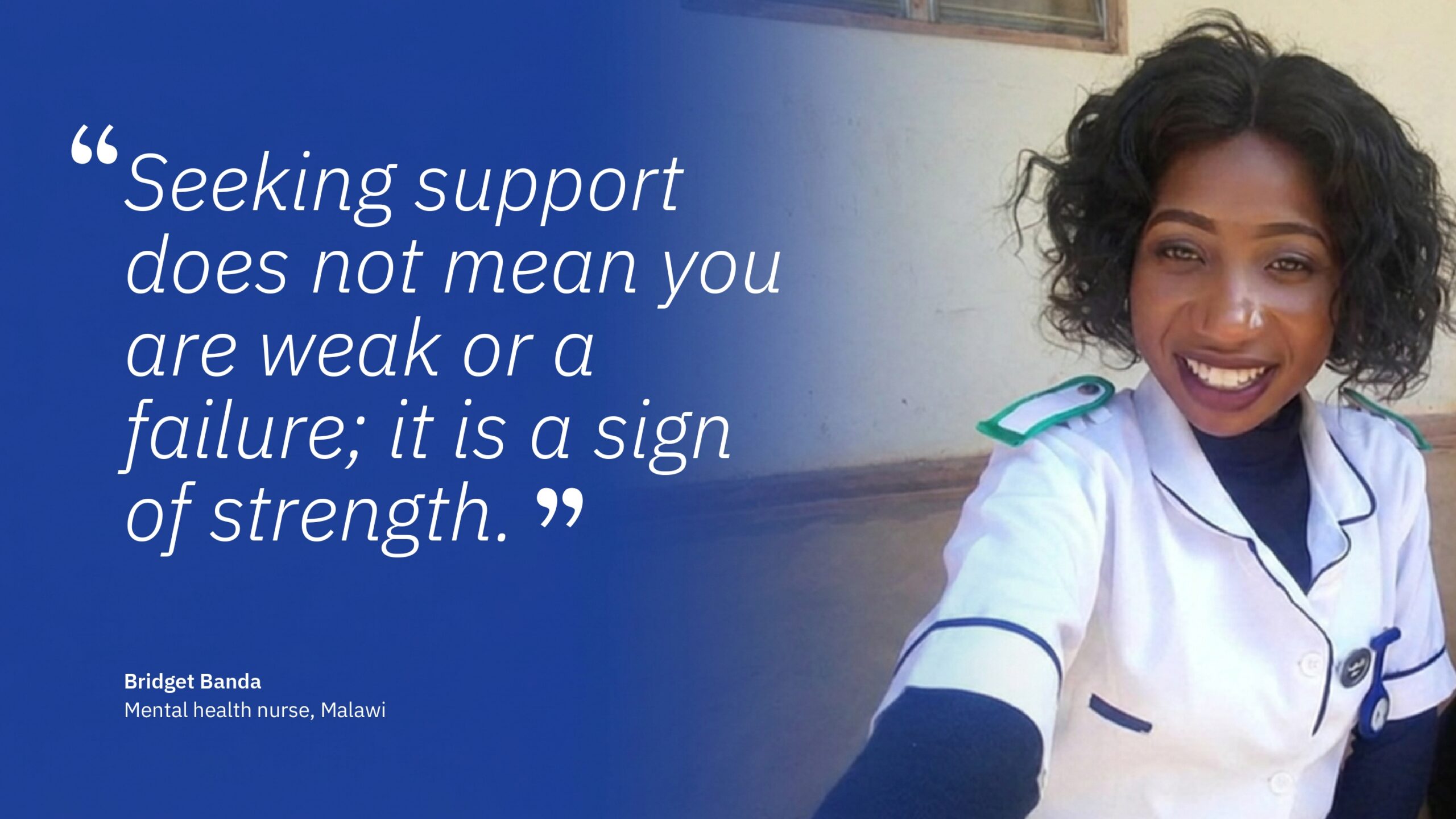
The Health Workers Transforming Mental Health Care in Malawi
Last year, the Malawian Parliament passed a landmark mental health bill. It was a timely piece of legislation promising a human rights-based approach to mental health care for all citizens. But passing a law is one thing, translating it into patient care is another. It requires heavy investment in the country’s most valuable asset: its health workforce.
Studies suggest that one in five patients seeking care at primary health centers in Malawi is dealing with a mental health condition.
The conditions range from depression and anxiety to post-traumatic stress disorder. Since 2019, we at Seed Global Health (Seed) have partnered with St. John of God University (SJOGU) to change these statistics. Together, we are training the next generation of mental health professionals, advocating for prioritized services at primary and secondary levels of care, and extending specialized treatment to communities that need it most. So that every Malawian seeking mental health support receives high-quality, dignified care.

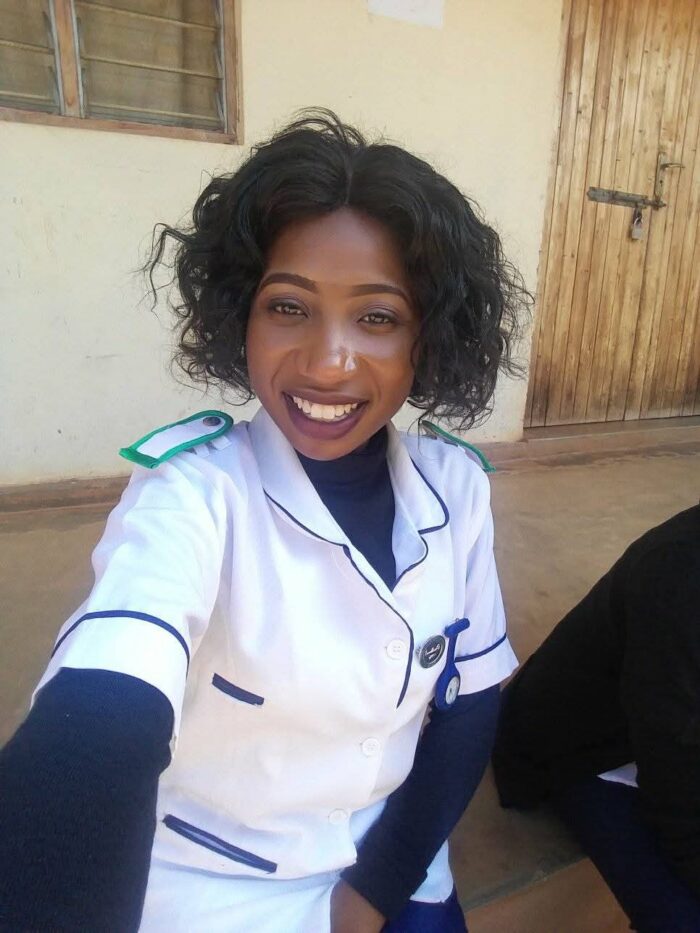
At the center of this transformation are health workers like Emmanuel Wahiya, a mental health clinical officer, and Bridget Banda, a mental health nurse. Both work the frontlines at Zomba Mental Hospital and are graduates of the Seed-supported mental health program at SJOGU. Because of their specialist training, they are actively rewriting what mental health resilience and recovery looks like in Malawi.
Drivers of Malawi’s mental health crisis
The realities they witness daily, both in the hospital corridors and through the stories of the people walking in for help, are deeply complex. Bridget and Emmanuel note that the country’s growing mental health burden is heavily driven by financial hardship, substance abuse, social stigma, and climate-related shocks.
“With many people struggling to cope financially, some young people turn to harmful coping mechanisms like cannabis abuse,” Bridget said. Among adults especially men, these challenges manifest in silence. Cultural expectations pressure men never to show vulnerability. This stops them from speaking out or seeking help, which tragically can lead to suicide.
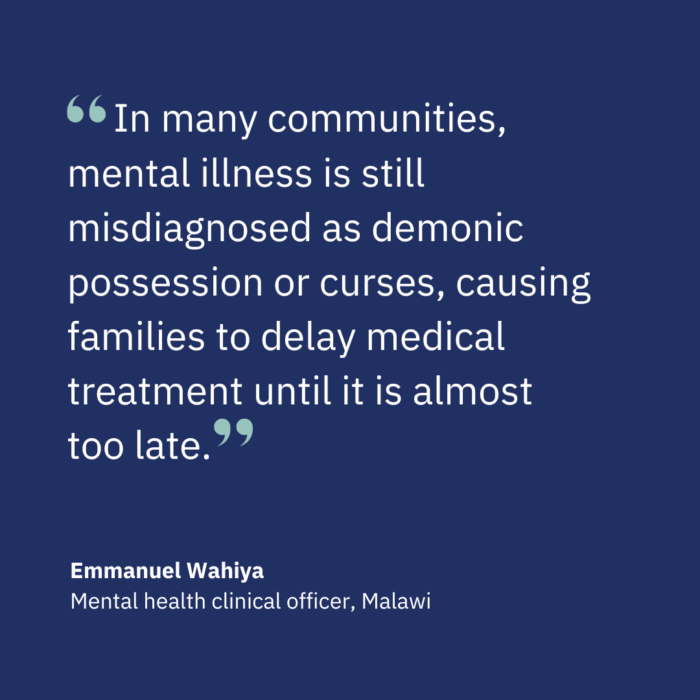
Emmanuel explained that deep-rooted social stigma creates another barrier. “Some families avoid bringing relatives to the hospital out of fear of being judged or stigmatized by their communities,” he explained. In many communities, mental illness is still misdiagnosed as demonic possession or curses, causing families to delay medical treatment until it is almost too late.
These struggles have been amplified by extreme weather events linked to climate change. Reflecting on the destruction caused by Cyclone Freddy in southern Malawi, many communities are still living with anxiety and depression. The disaster proved how fragile mental well-being becomes when people lose their homes, their security, and their entire livelihoods overnight.
To ensure services are accessible to everyone that needs them, we must scale up training of more mental health professionals.
This starts, in part, with addressing misconceptions amongst health workers themselves.
For Emmanuel, learning a holistic, “biopsychosocial” approach alongside real clinical mentorship changed everything. He gained essential skills in assessing, diagnosing, and managing complex conditions, as well as de-escalating acute psychiatric emergencies like aggression and suicide risk.
Building community resilience
While national referral facilities like Zomba Mental Hospital focus on specialized treatment, district hospitals, primary health centers, and community health workers must be equipped to raise awareness and connect families to structures that can help them navigate socioeconomic challenges.
“We formed a group comprised of widowed and elderly women facing mental health challenges because of financial struggles,” Bridget explained. “Together, they share skills and have formed a savings group. They sell vegetables and make small handcrafts to generate income.” These groups do more than offer emotional support, they also provide opportunities for women to improve their livelihoods.
A crucial next step is a decentralized system in Malawi where trained mental health providers are available at every district and lower-level health facilities, ensuring people don’t have to travel all the way to Zomba for specialized care.
Seed’s partnership is focused on building and scaling this national workforce. We aim to train and graduate 500 local mental health professionals, including nurses, clinical officers, and psychotherapists by 2030.
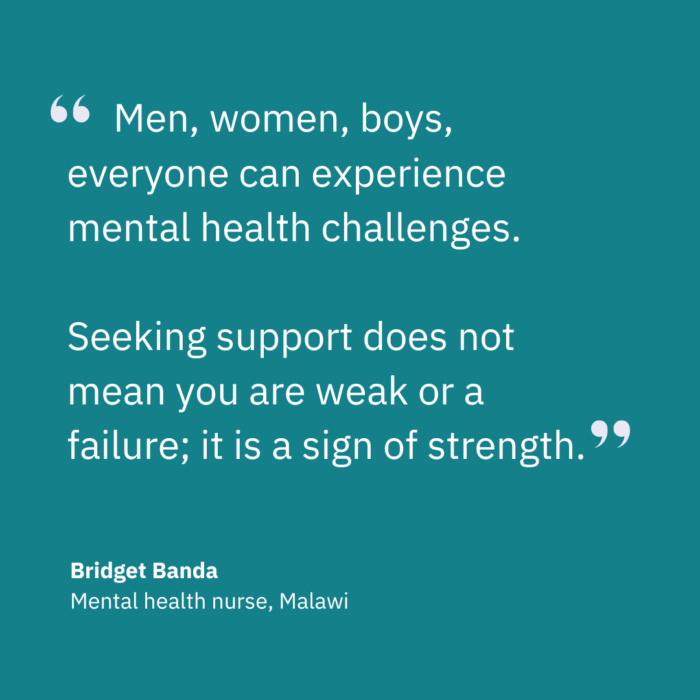
Both practitioners believe that reducing stigma and increasing awareness about mental health should be a priority. “Seeking support does not mean you are weak or a failure; it is a sign of strength,” Bridget emphasized. “We have cultural beliefs that say a man should not cry, but everyone can cry. Men, women, boys, everyone can experience mental health challenges. If they are not addressed early, those problems can lead into severe mental illness. Help is available. People should value their lives.”
By Anda Nyondo, Country Director, Seed Global Health Malawi