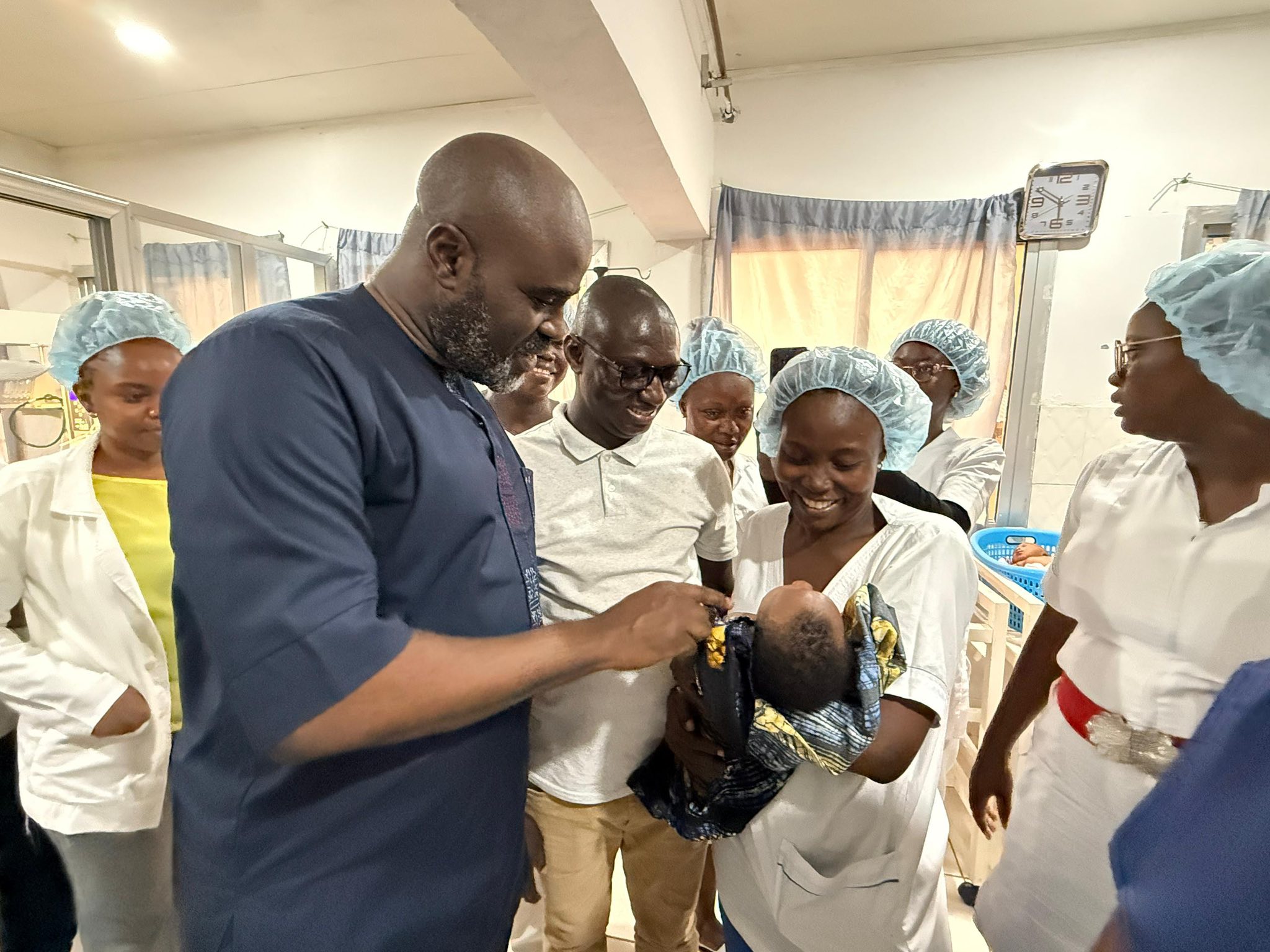
From Fire to Recovery, Newborn Care Returns Stronger in Makeni
When fire tore through Makeni Regional Hospital’s Special Care Baby Unit (SCBU), it did more than destroy walls. It stripped away the only safety net for the most vulnerable newborns in the region. Following the fire, newborns who required specialized care were left without a dedicated unit, with many managed in temporary spaces within the hospital or referred elsewhere. This led to delays in treatment, increased risk for vulnerable infants, and significant strain on health workers, who had to deliver critical care in constrained and often unsuitable conditions.
Recognizing the urgency of restoring services, Seed Global Health (Seed), in collaboration with the Ministry of Health and Sanitation, stepped in to support the renovation of the unit.
The Ministry of Health identified an alternative building within the hospital premises, but it required substantial renovation to meet the standards for special newborn care. With technical and financial support from Seed Global Health, the space was fully renovated and equipped to serve as the new Special Care Baby Unit.
The SCBU is a vital department within the hospital, providing specialized care for newborns with complications, and those requiring close monitoring. Services offered in the unit include Kangaroo Mother Care, feeding support, and continuous monitoring and observation of babies who require special attention. For many families in the surrounding areas, the SCBU represents hope, a place where newborns receive the care they need to grow stronger and thrive.
The new upgraded unit now provides a safer and better equipped environment for 100 newborns and their mothers, improving infection prevention, monitoring, and family-centered care. It also strengthens the ability of health workers to deliver timely, quality care, improving survival outcomes in the most critical early days of life.
“This renovation marks a new beginning for our hospital. The SCBU is an essential part of maternal and newborn care, and its restoration brings relief not only to the hospital staff but also to the many families who depend on us. With these improved facilities, we are better prepared to provide quality care to vulnerable newborns,” said Dr. Joseph Sesay, medical superintendent at Makeni Regional Referral Hospital.
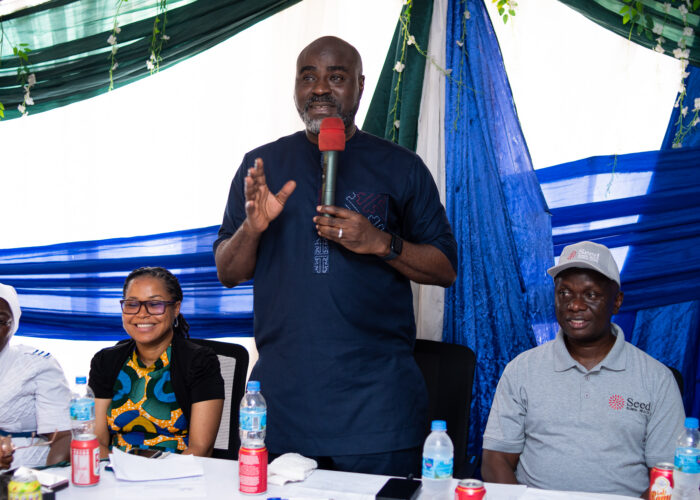
“At Seed, we strongly believe that equipping health workers with the right environment is just as vital as the training we provide. We cannot expect excellence in a space that doesn’t support it. This renovation and the donation of specialized beds are about more than infrastructure; they are about empowering Makeni’s health workers to practice at their best. When we invest in both people and the places they work, we create a standard of care that sustains itself for the long term,” said Mustapha Sonnie, Seed’s country director in Sierra Leone.
The renovation of the SCBU reflects Seed’s broader commitment to strengthening maternal and newborn health in Sierra Leone. By restoring a safe, functional, and well-equipped space for care, the initiative helps ensure that newborns can receive timely, life saving treatment close to where they are born, reducing delays, referrals, and preventable risk. It also reinforces the resilience of the health system by supporting frontline health workers to deliver quality care consistently, even in the face of shocks. In doing so, it contributes directly to Sierra Leone’s national priorities on improving maternal and newborn survival.