Mbale Regional Referral Hospital Doubles Surgical Capacity as Maternal Deaths Drop by 47%
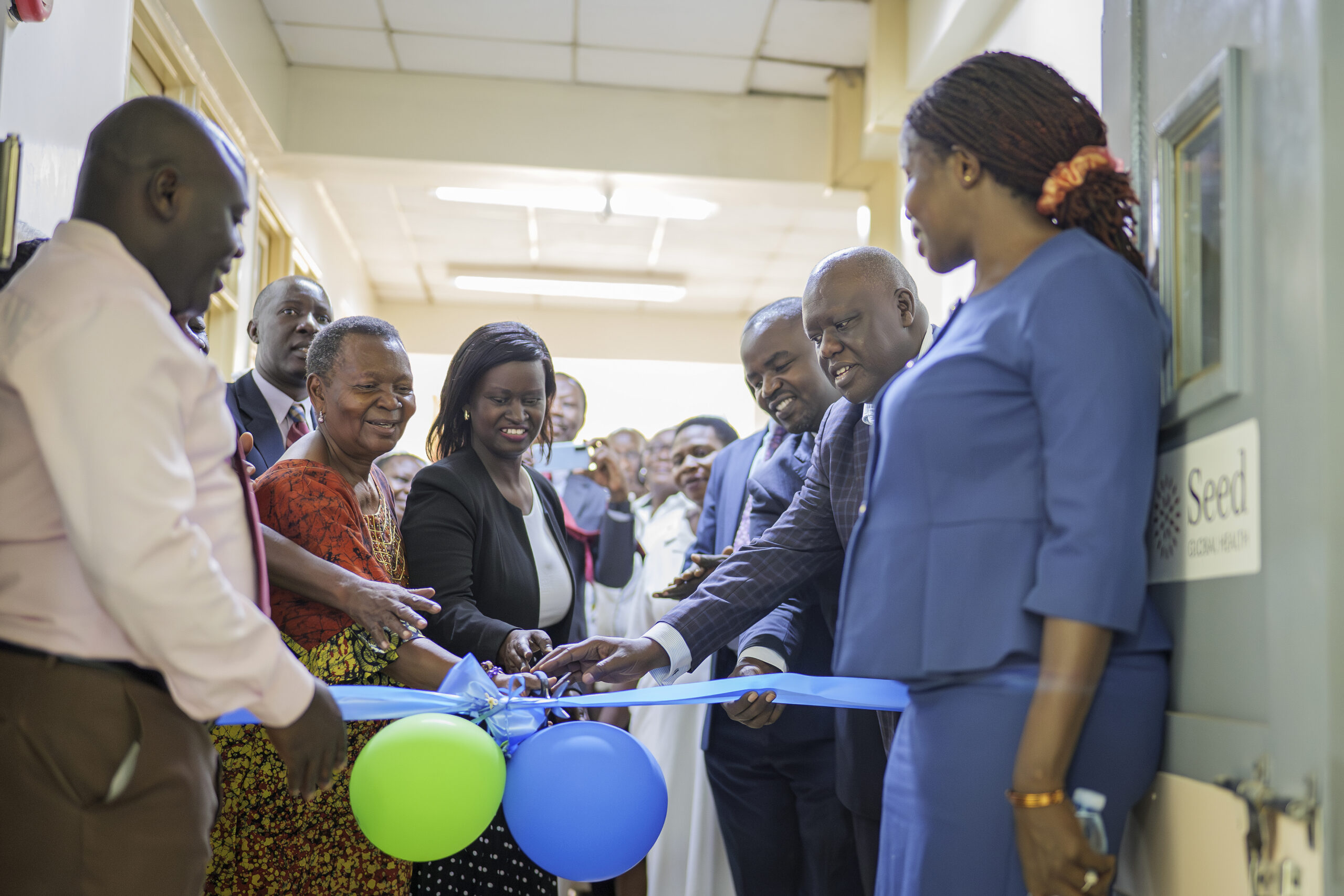
Mbale Regional Referral Hospital (RRH) has officially commissioned a new obstetrics theatre, a development that hospital leaders say will significantly improve access to timely, lifesaving care for mothers and newborns across Eastern Uganda and beyond.

The construction, supported by Seed Global Health (Seed), has doubled the surgical capacity of the hospital. Mbale Regional Referral Hospital is one of the country’s busiest referral hospitals, serving a catchment population of more than 4.1 million people across 16 districts and one city in Eastern Uganda. According to Dr. Baifa Arwinyo, the hospital’s head of the department of obstetrics and gynaecology, they perform more than 250 caesarean sections monthly.
Until now, obstetric emergencies competed for space in the hospital’s main operating theatre. This often-delayed care at the most critical moments.
“We were constantly competing for operating tables,” said Dr. Baifa. “For a woman in distress, every minute matters. This second theatre brings convenience, faster access, and safer outcomes for both mothers and babies.”
With the additional theatre space, Dr. Baifa anticipates that this number will nearly double, reducing wait times and easing pressure on staff.
Accordingly, the second theatre helps eliminate what clinicians call the “third delay” the time lost between deciding to operate and making the first incision. For mothers with complications such as obstructed labour or severe bleeding, that delay can be the difference between life and death, said Dr. Baifa.
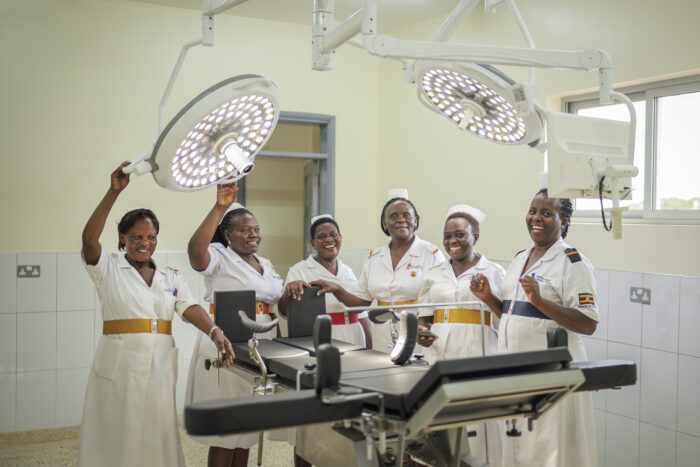
The new obstetrics theatre includes state-of the art surgical lighting, a modern autoclave that sterilizes surgical instruments to prevent infection, new theatre beds, dedicated changing rooms and toilets which were previously unavailable, and additional office space for on-call doctors and night supervisors. These upgrades not only improve patient safety but also reduce staff fatigue and burnout.
The investment comes at a time when Seed-supported facilities have witnessed significant improvements in maternal survival. At Mbale Regional Referral Hospital, the institutional maternal mortality ratio (IMMR) reduced from 1,117 deaths in 2024 to 594 in 2025 per 100,000 live births, a 47% reduction in just one year. This notable shift translates to five more mothers’ lives saved for every 1,000 births.
Seed’s approach recognises that quality care does not happen by accident. It is the result of deliberate system enablers like trained health workers, supportive supervision, reliable data, and clinical environments that allow health workers to do their jobs effectively.
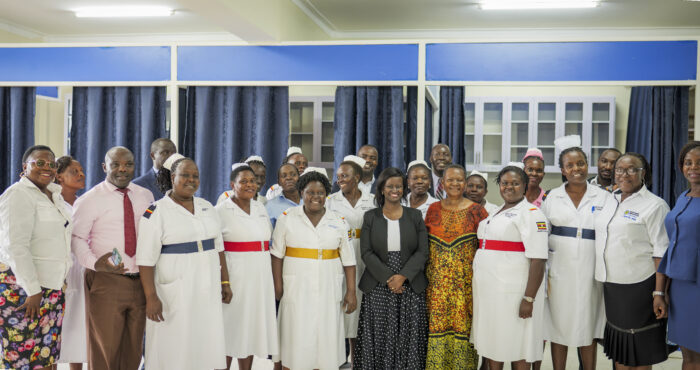
Alongside infrastructure, Seed strengthens clinical training for student nurses, midwives, and doctors – translating classroom learning into high-quality bedside care.
Irene Atuhairwe, Seed’s country director, says the second theatre at Mbale RRH shows what happens when workforce strengthening meets system readiness. It is when doctors no longer compete for operating space, when delays are reduced, when babies are born faster, safer, and with stronger chances of survival.