Sierra Leone graduates first direct entry to midwifery cohort
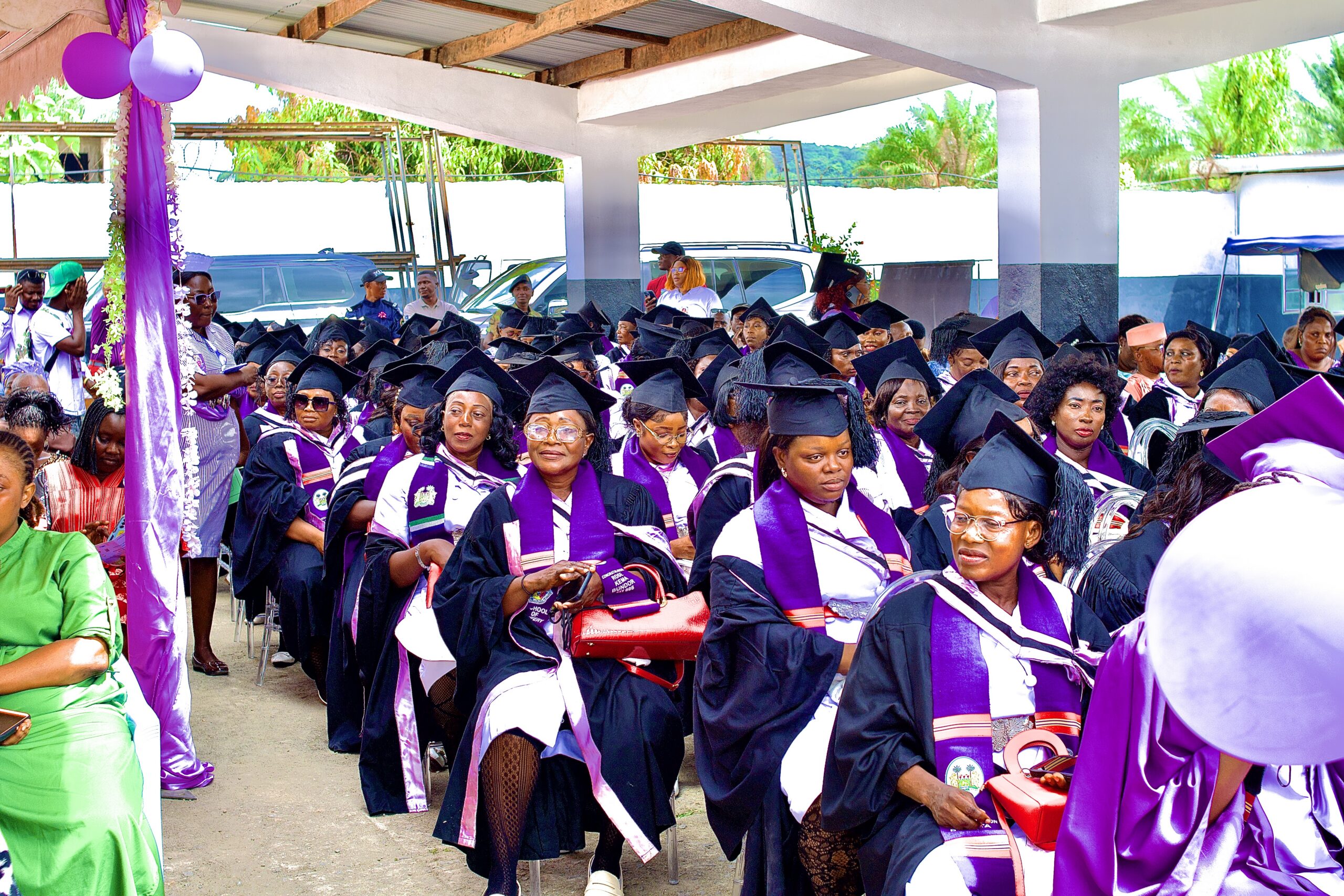
Sierra Leone’s first cohort of students from the Direct Entry to Midwifery (DEM) program has graduated, marking a milestone in the country’s efforts to train 6,000 midwives by 2030.
The three-year DEM program was introduced after Sierra Leone, which has one of the highest maternal mortality rates in the world, approved a curriculum to train more midwives to meet increasing maternal health needs. Students, who are high school graduates with no nursing experience, combine classroom learning with clinical practice, developing the knowledge, skills, and attitudes needed to provide high-quality, respectful maternity care.
Working alongside Sierra Leone’s Ministry of Health and midwifery training institutions, Seed Global Health supports the DEM program by providing educators who train and mentor students and preceptors throughout their studies. This new pathway is particularly important for a country in which there are only 2 midwives for every 10,000 people, which is half the global benchmark of four. Sierra Leone is working to overcome this shortage to improve maternal and newborn health outcomes and reduce preventable deaths.
At the recent graduation ceremony, the nine students were the first to complete the DEM program. They were joined by 83 community health nurses and 24 preceptors, who graduated from separate but related training programs.
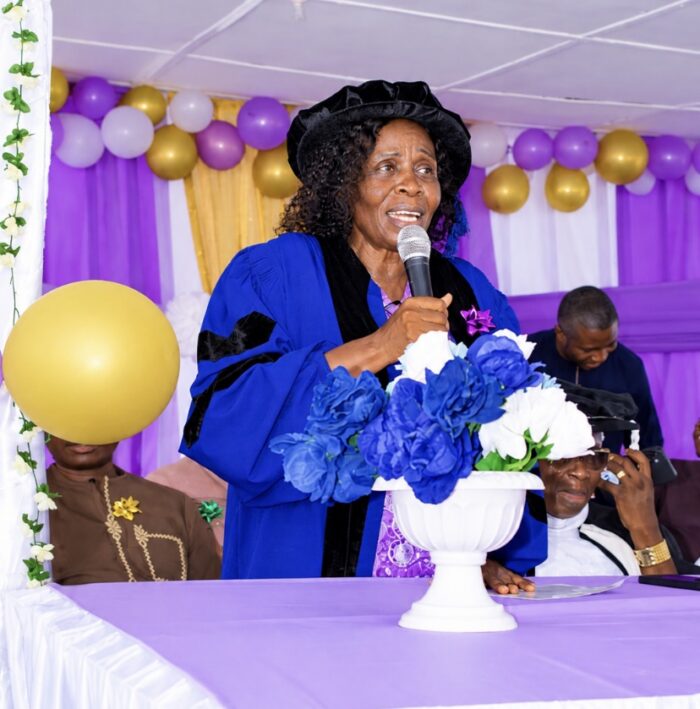
At the ceremony, Patricia Juana Kamara, head of the School of Midwifery, Bo, said that “every student trained, every preceptor supported contributes positively to quality maternal and neonatal care. Competently trained midwives will contribute to the reduction of preventable maternal deaths.”
‘The DEM graduates are embarking upon a career dedicated to caring for women and newborns. As they enter the health workforce, they will expand access to skilled maternity care, something that three years earlier they may not have imagined.
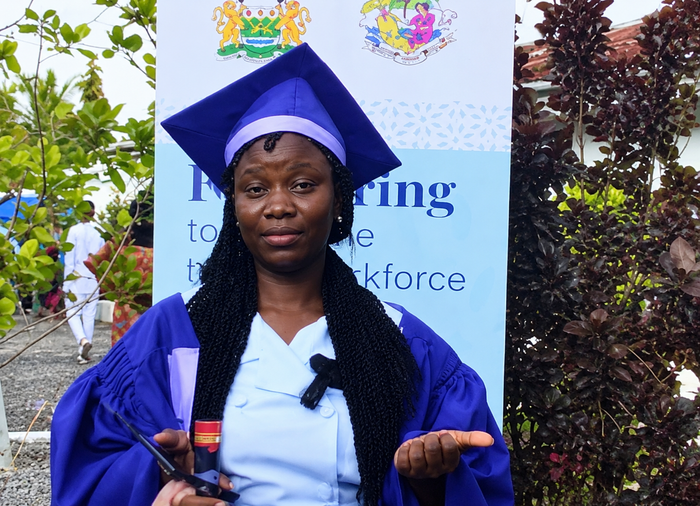
“At first I was scared of the thought of delivering babies, but I developed a lot of confidence through practical bedside training. Now I feel happy having the knowledge and skills to care for every pregnant woman who comes through our door,” said DEM graduate Yatta Keller.
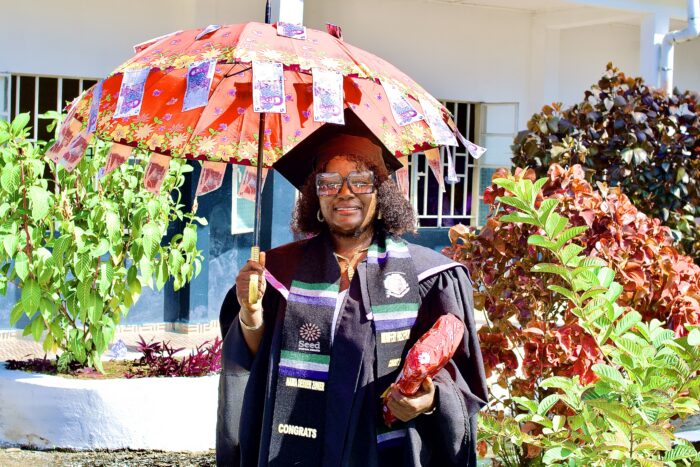
The 24 preceptors who graduated were experienced midwives who Seed trained to mentor and supervise DEM students during their clinical placements. The program has also been an opportunity to strengthen the support available to future midwives, said Hawa Zokar.
“One of our midwifery students was at the hospital when a bleeding pregnant woman was admitted. Before the senior midwives arrived, [the student] had stabilized the patient. That’s when I realized guiding these student midwives was particularly important. This valuable knowledge can improve our chances of growing through the ranks in our profession. I’m so grateful for this opportunity.”
The preceptors’ role will last beyond this first graduating class. Expanded access to midwifery education must include strengthening the people and institutions responsible for training and supporting students. Through its partnership with national institutions, Seed is advancing both priorities: preparing skilled midwives to provide high-quality care today, while strengthening the country’s capacity to educate and support the health workforce of tomorrow.


