Climate Change Is Reshaping Malaria in Uganda and Putting Mothers and Babies at Greater Risk
Sarah is 20 years old and pregnant for the first time. At eight months of pregnancy, she arrives at the antenatal clinic, tired and frightened, her body burning with fever and weakened by relentless vomiting. She had been ill for five days. In recent years, malaria has become harder to recognize in her community, because of appearing in unusual seasons.
At home, she is reassured by her family members that these were “normal pregnancy symptoms,” and she tried to rest, hoping it would pass. Instead, she got worse.
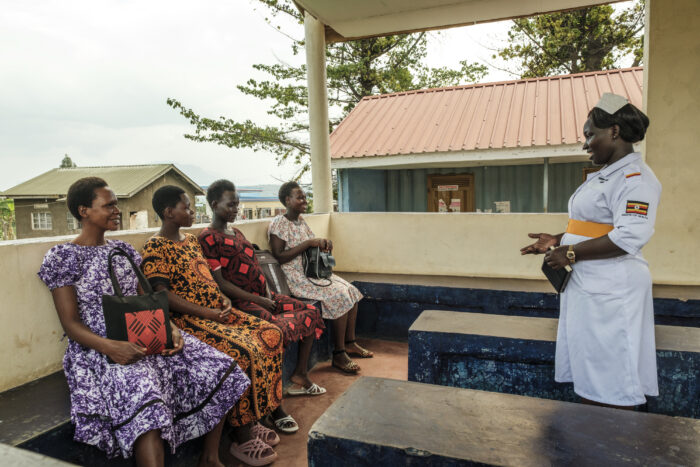
The midwife examines her and immediately senses danger. The woman is alarmingly hot to the touch. When the fetoscope is placed on her abdomen, there is only silence. No heartbeat. Further tests confirm the worst: severe malaria and intrauterine foetal death. She came to the clinic expecting reassurance. She left with grief.

This story is drawn from real cases seen by clinicians in Uganda, myself included. It’s a reflection of a common reality in health facilities and homes across Uganda. Despite medical advances, malaria remains a deadly threat during pregnancy. It is often mistaken for routine pregnancy discomfort and, as such, recognized too late.
As we mark World Malaria Day (25th April), we must recognize that malaria in Uganda is no longer presenting the way it once did, with climate change as one of the primary culprits. The impacts are hitting mothers and children hardest.
We are seeing increased malaria transmission due to unseasonal weather, extreme rainfall, flooding, and rising temperatures. This is making the disease increasingly unpredictable such as in districts like Yumbe. We are also seeing more malaria in historically lower-transmission highland areas such as southwestern Uganda, where rising temperatures and changing rainfall patterns are increasing the areas where mosquitoes can survive and transmit disease.
At the same time, parts of the health system have not adapted to how malaria is changing. Supplies of medicine and prevention tools are still planned around traditional malaria seasons. As a result, health facilities across the country are experiencing stock-outs of essential antimalarials such as Coartem and preventive tools like bed nets. Supplies are not matched to where and when malaria happens, leaving little available during unseasonal outbreaks and in areas where transmission is now occurring year-round.
As malaria patterns shift, its impact on vulnerable groups becomes more pronounced, with pregnant women and their unborn children the most affected.
Why this matters most for mothers and their children
Uganda has one of the heaviest malaria burdens globally, with pregnant women and young children among the most affected. Uganda National Institute of Public Health surveillance data reported that between 2015 and 2023, more than 2.8 million cases of malaria in pregnancy were reported nationwide, with incidence rising from 15 to 21%.
Among women attending antenatal care, malaria remains common. Studies from referral hospitals in Uganda show that up to one in four pregnant women test positive for malaria, many without symptoms, and placental infection is frequentlydetected at delivery. At the same time, malaria among children under five is rising. The Uganda Malaria Indicator Survey 2024/25 released by Uganda Bureau of Statistics recently shows that prevalence in this age group increased from 10% in 2018/19 to 13%.
Malaria in pregnancy is not always dramatic in presentation, but its effects can be devastating. Parasites can hide in the placenta, affecting nutrient and oxygen transfer to the foetus, increasing the risk of low birth weight, preterm delivery, and stillbirth.
In order to meet this challenge, we must prioritize three things:
First, Uganda must focus on closing the gap between policy and practice in antenatal and referral care. While malaria screening, prevention, and treatment are already part of the recommended standard of antenatal care, too often these guidelines are not consistently followed. Health workers need regular support supervision, and mentoring to ensure malaria risk is assessed at every visit, tests and treatment are done promptly when required.
Equally important is supporting women to recognize danger signs and seek care early, before illness becomes severe. At the same time, persistent stock-outs of antimalarials, diagnostics, and preventive tools continue to undermine care, even when health workers know what should be done.
Second, Uganda must close critical staffing gaps by increasing the absorption and deployment of midwives and nurses into the public sector. Vaccines and commodities alone are not enough unless they are backed by skilled health workers who can deliver timely care.
At Seed Global Health, we focus on strengthening pre‑service and in‑service training so that midwives and nurses are equipped as frontline clinicians who can recognize danger early, diagnose malaria promptly, manage severe illness, and refer appropriately, even in facilities where a doctor is not present.
Third, Uganda must strengthen proven malaria control practices, so they remain effective in a changing transmission landscape. This includes strengthening vaccine uptake for eligible children, ensuring consistent distribution and use of mosquito nets, and expanding access to timely diagnostics and treatment.
However, these tools will only work if they are supported by climate‑resilient supply chains that anticipate unseasonal outbreaks and shifting risk areas. Malaria commodities must reach health facilities before shortages occur, not after patients arrive. Planning and stock allocation must move beyond old seasonal assumptions and respond to emerging climate realities so that health workers are equipped to act whenever and wherever malaria strikes.
Malaria is no longer behaving as it once did, and neither should we.
The writer, Dr. Brian Agaba is an OB/GYN and Deputy Country Director, Seed Global Health Uganda.