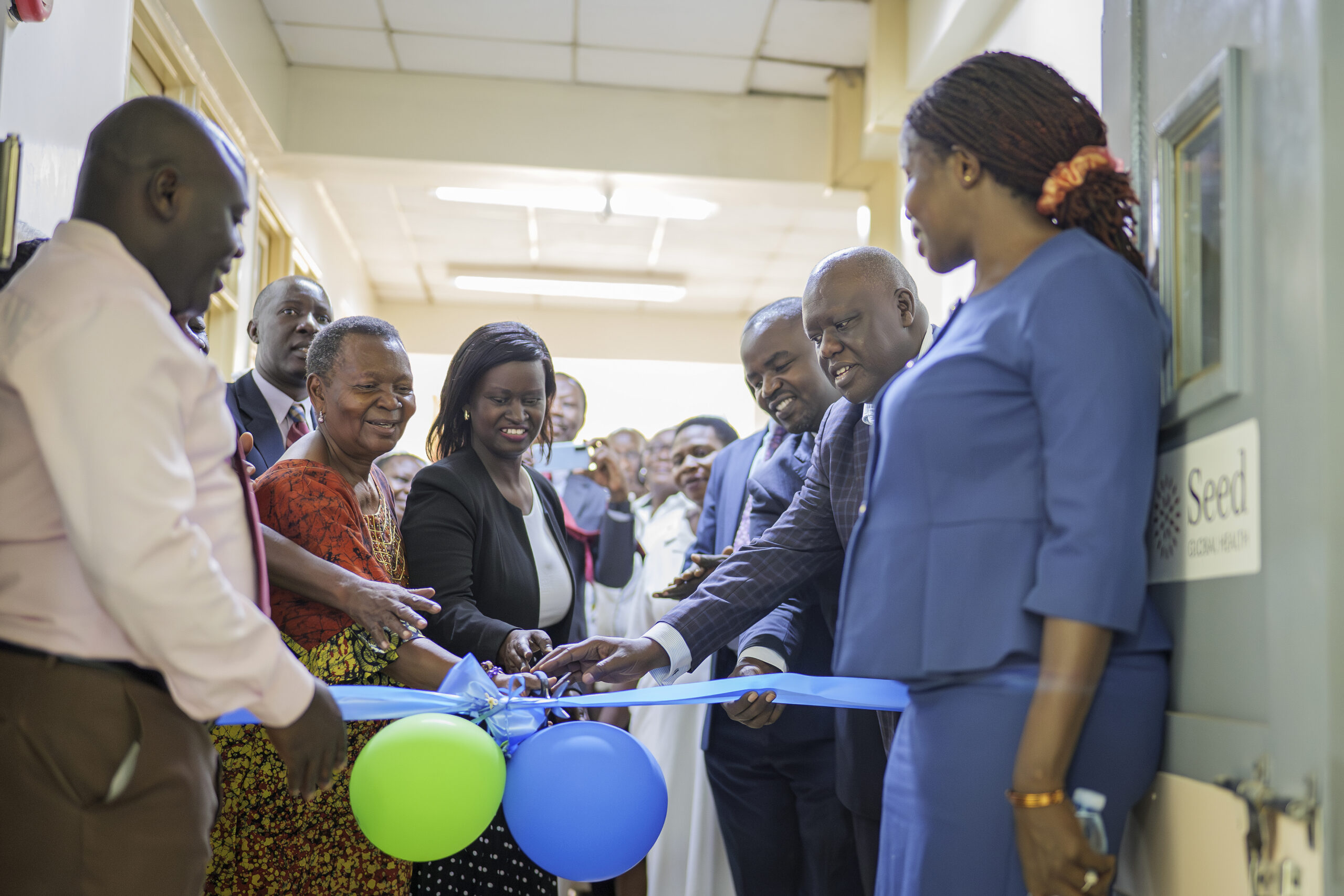
National Health Compacts Launched at the 2025 UHC Forum
Seed joins country leaders and partners to deliver a new roadmap for accessible, high quality care making progress to strengthen global health financing and access to care.
In partnership with ministries of health, the World Bank, the World Health Organization (WHO), and the government of Japan, Seed Global Health is supporting the launch of innovative new national health compacts to strengthen health services and systems in Sierra Leone, Uganda, and Zambia at the 2025 Universal Health Coverage (UHC) Forum in Tokyo, Japan.
These compacts outline what each country needs to deliver quality, affordable health services for all, including what must be implemented, what must be funded, and by whom.

Crucially, the compacts contain detailed, costed national plans that development partners can align behind, establishing a transparent baseline for required investments and a mechanism to hold development partners accountable.
Representing the next step in the World Bank’s new Health Works initiative, a global effort to help countries expand access to high-quality health services and reach 1.5 billion people by 2030, these compacts are just the beginning. We now need a broader shift in global health to ensure that commitments are actually translated into implementation.
Seed Global Health’s Role in Developing the Compacts
As a founding member of the Health Works Leaders Coalition, Seed helped shape this moment. A major win across the Sierra Leone, Uganda, and Zambia compacts is the inclusion of a “one plan, one budget” approach, which ensures all actors rally around a single national health strategy rather than duplicating efforts or creating parallel systems.
As our CEO Dr. Vanessa Kerry puts it, “Health is the foundation of everything: economic security, climate resilience, and equity. Improving health outcomes is possible when partners align behind country-defined priorities and national plans rather than imposing fragmented agendas.”
Governments must now be supported to overcome the political, fiscal, and coordination barriers that stand in the way – of past and current efforts – of translating commitments into a truly aligned health sector.
As a key partner, Seed has worked hand-in-hand with ministries of health in Sierra Leone, Uganda, and Zambia to support the design, coordination, and development of the compacts.
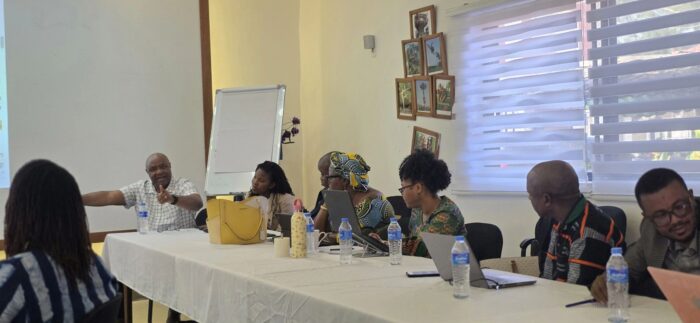
Our team co-facilitated consultations, including national stakeholder sessions in Uganda and Zambia, and provided targeted technical assistance to ensure that health workforce strengthening, the foundation of resilient health systems, embedded in all three compacts.
Seed also advocated strongly for expanding the Health Works compact initiative to include Sierra Leone, ensuring three of Seed’s partner countries were part of the first wave of compact development. We also commit to supporting Malawi to join this initiative moving forward -building on the country’s efforts to advance health equity.
This work reflects years of collaboration and trust between Seed and country governments.
Next Steps for the Compacts
With the compacts now formally launched, work will begin on implementation. Seed stands ready to continue supporting governments to implement the compacts, e.g., helping translate plans into action, strengthening workforce capacity, and ensuring that funders and development partners align behind nationally driven strategies.
In coordination with the Sierra Leone, Uganda, and Zambia ministries of health and finance, the World Bank, the WHO, and health professional schools, Seed will work to ensure countries not only have funding but also the health workforce needed to deliver UHC.
Seed’s Commitments
In Sierra Leone, we applaud President Julius Maada Bio’s endorsement of the national health compact and commitment to investing in health workers. Seed will help train 1,100 midwives and 220 midwife preceptors, expand obstetrician training, and support improved emergency obstetric and newborn care to reduce preventable maternal and newborn deaths by 2030.
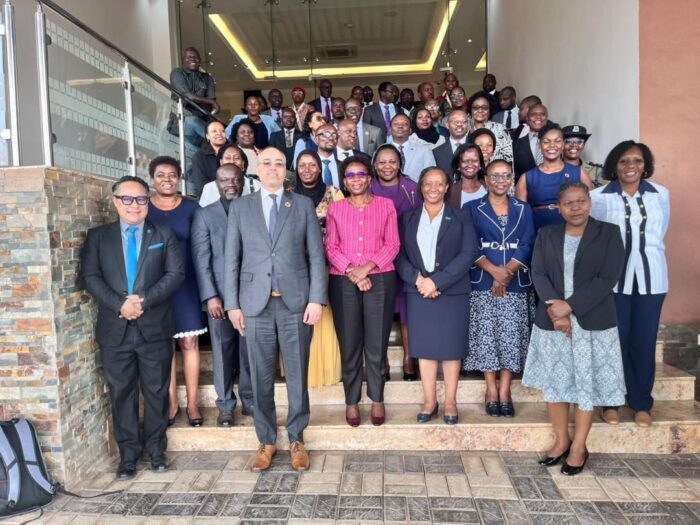
In Uganda, Seed is proud to support the ministries of health and finance to train 27,000 in-service health workers, 120 medical specialists, and 2,000 doctors, nurses, and midwives by 2030. Our partnership also aims to reduce vacancy rates, expand health workforce positions, and improve maternal, newborn, and child health outcomes.
In Zambia, we welcome President Hakainde Hichilema’s endorsement of the national health compact and the goal to recruit 74,000 new health workers. Seed will support the government to train highly skilled midwives, family medicine specialists, and other priority cadres to meet national targets and strengthen the health workforce.
These national health compacts signal a new era of coordinated, country-led investment in strengthening health services and systems. For Sierra Leone, Uganda, and Zambia, they represent a powerful step toward UHC and a healthier future for millions.